ode to an eggplant

By loading the map, you agree to Google's privacy policy.
Learn more
The medication doesn’t seem to help. Maybe I don’t have a cold at all. Could it be that I am allergic to something out here?
To walking…?
…
Anyway, I ordered some food and decided to get on the road again the next day, no matter what:
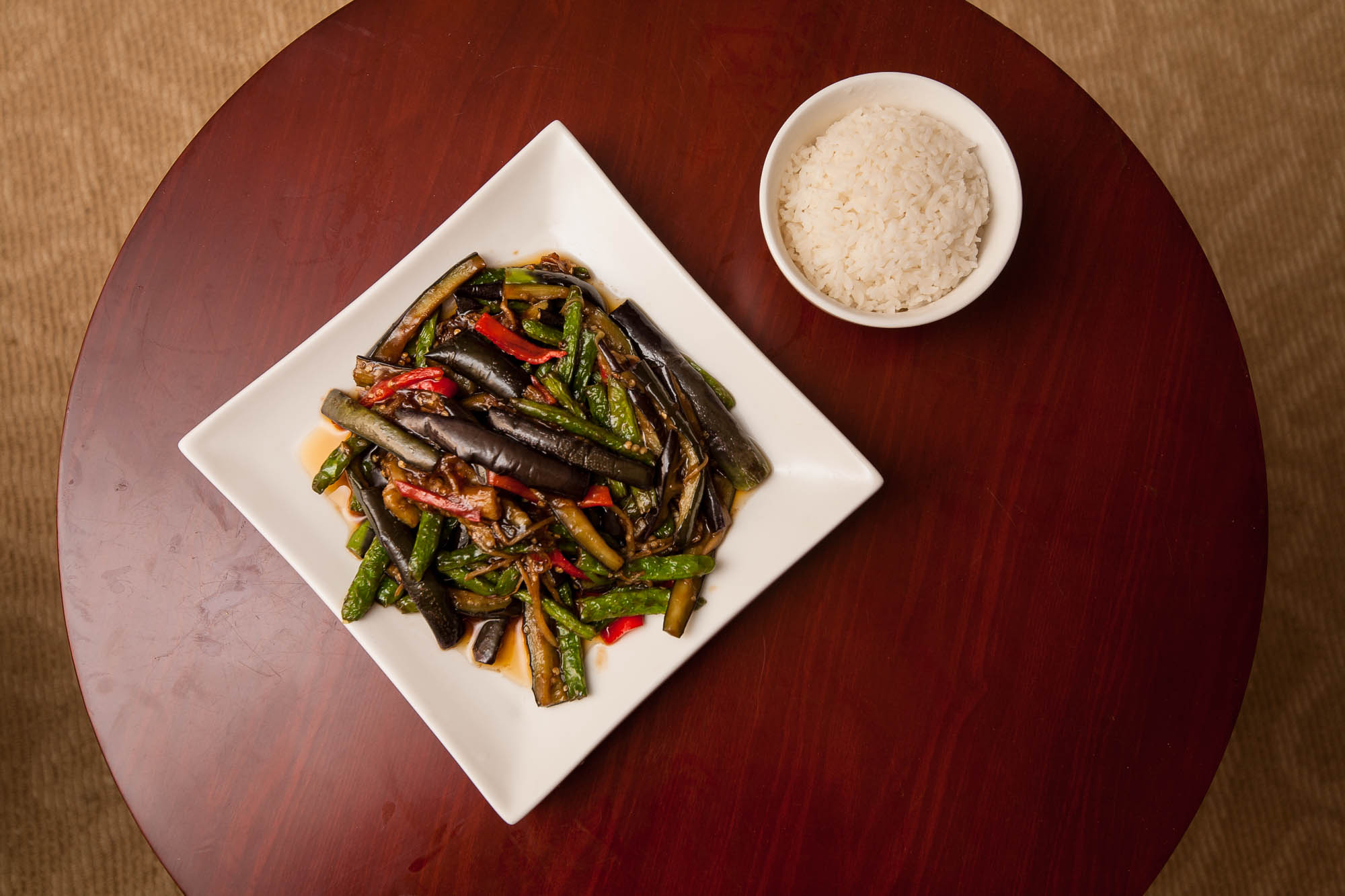
I forget what this dish was called, but there was eggplant in it, which is basically a guarantee for tastiness in this country.
On my third or second day in China, when I was standing at the counter of our school cafeteria, not sure what to pick, my Irish friend David pointed at something and said: “Get that one, the fried eggplant! If there is one thing that the Chinese can do, it’s eggplant.”
Eggplant has been my favorite ever since.
I bought a moon cake 月饼 as well today:
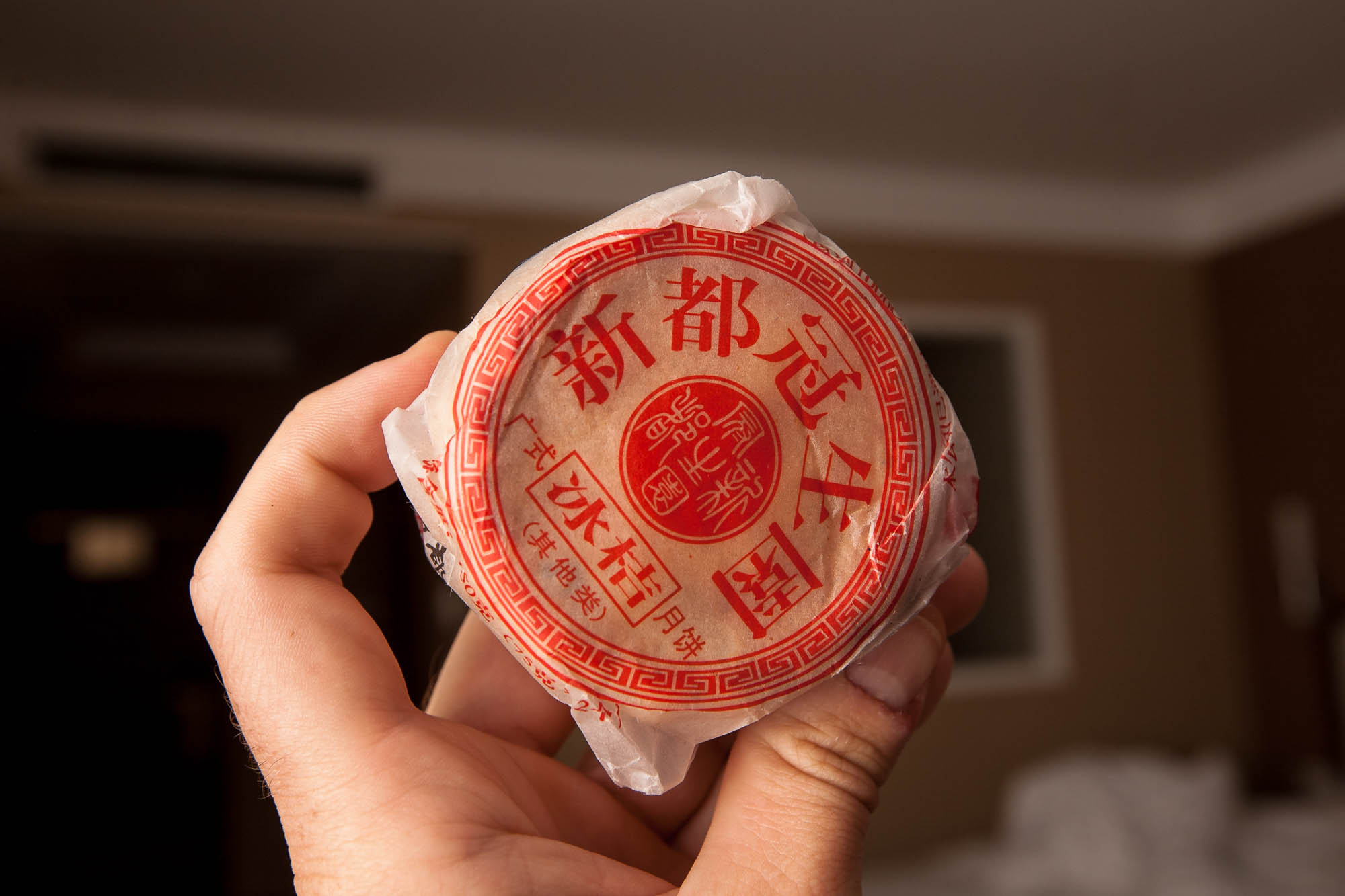
This is intended for the celebration of the Mid-Autumn Festival 中秋节 on September 22nd, but I figured I might as well sneak one in when I’m on the road.
Oh, and I learned a poem:
“Ode to a Goose”
Goose, goose, goose
Curved necks singing towards the sky
White feathers floating on green water
Red feet stirring clear waves
by Luo Binwang (640-684)
《咏鹅》
鹅,鹅,鹅
曲项向天歌
红掌拨清波
骆宾王(初唐)
Two things I find remarkable about this poem:
- The author was apparently only seven years old when he composed this poem more than 1300 years ago.
- The first line does not fit the standard 5-character parameter. Instead, it is made up of only 3 characters, which can also be understood as an onomatopoeia: é, é, é…
The cry of the goose.
王玮
少了一句:白毛浮绿水。
翻译成英文没意境了。